
Heads
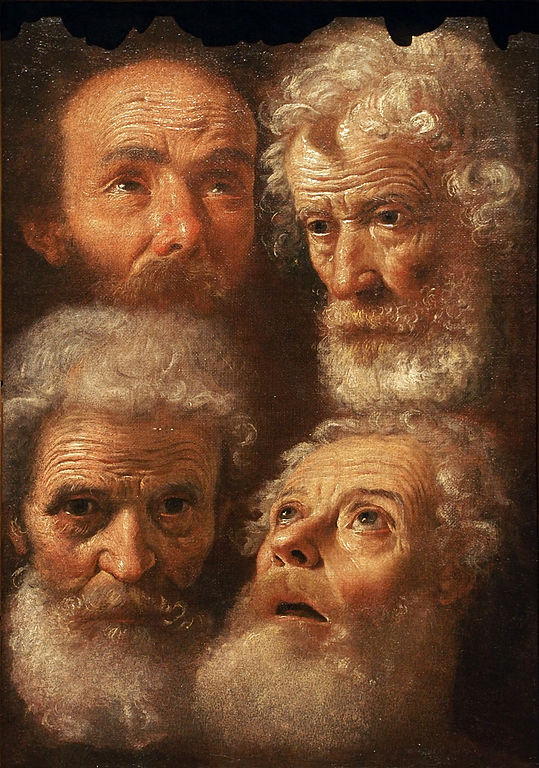 |
San Guillermo de Aquitania 1671 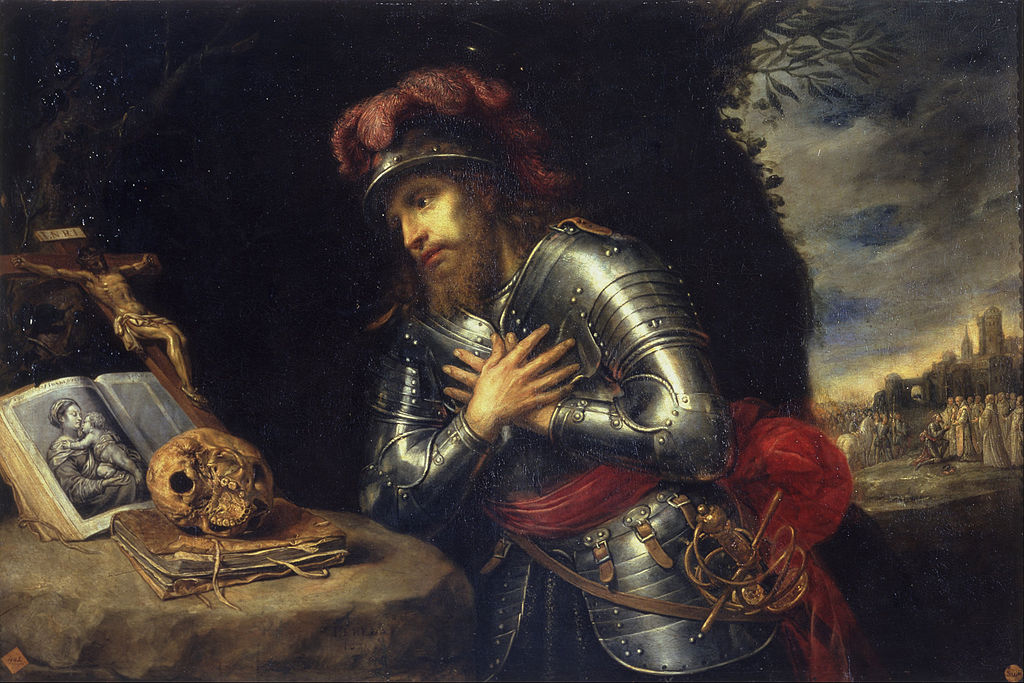 |
Still Life with an Ebony Chest 1652 .jpg) |
|
The Relief of Genoa by the Marquis circa 1634 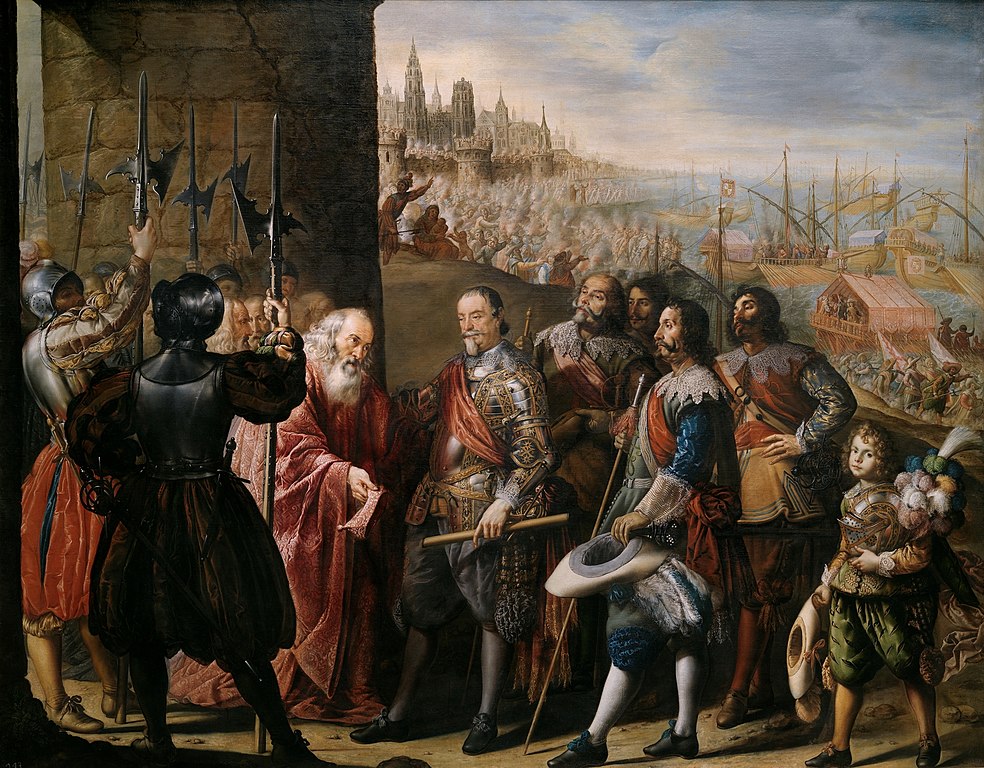 |
Allegory of Vanity 1635 .jpg) |
Still Life of Game and Fruit 1651 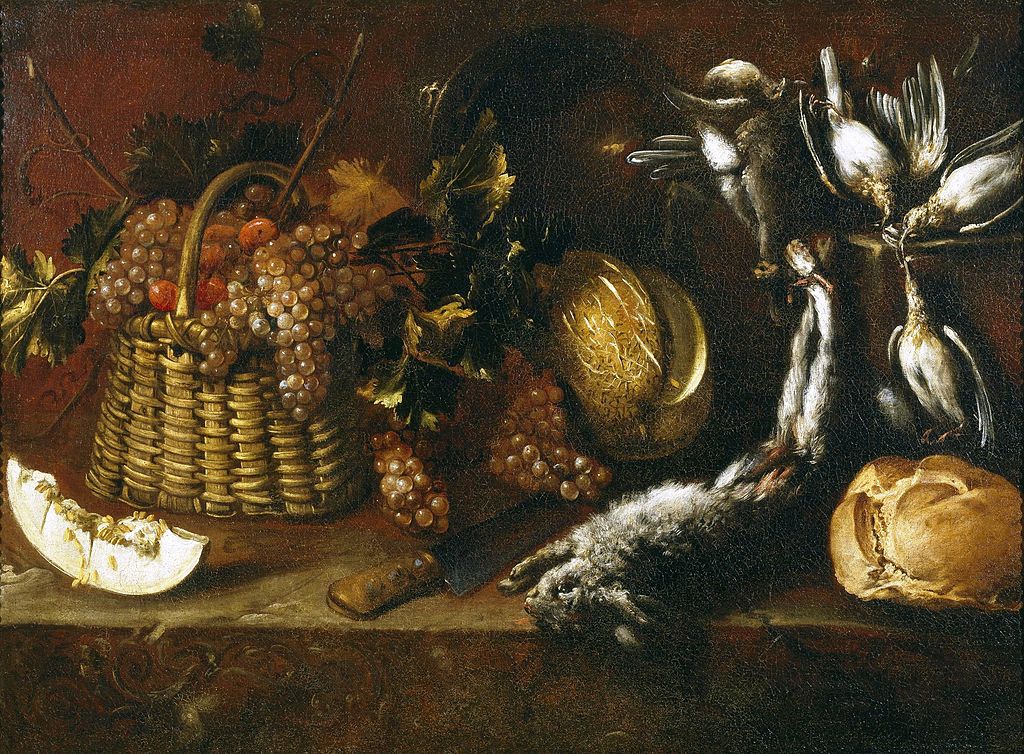 |
|
The Knight's Dream 1650 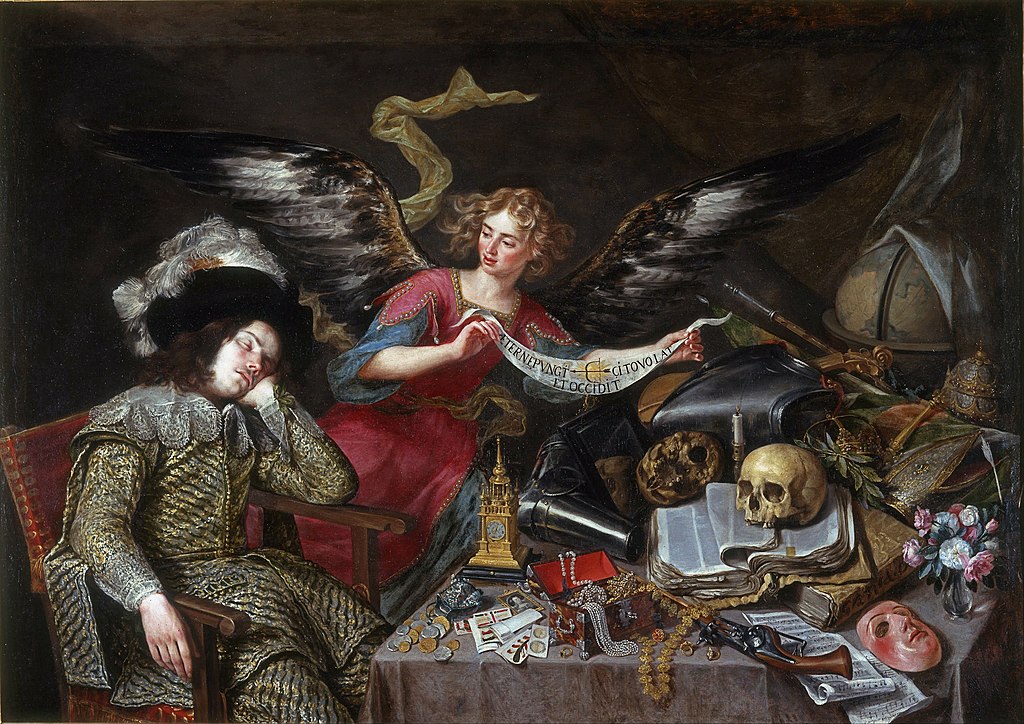 |
The work depicts a seventeenth-century gentleman dressed in the clothing of the time and asleep while
an angel shows him the ephemeral character of pleasures, riches, honors and glory. The angel shows him
the hieroglyph of the date on the sun, which wounds, flies fast and kills. The set of objects placed
on the table constitutes a real still life in which a condensation of symbols and allegories is
established. The symbols of the table are very complex, but some stand out for their continuous
presence in all the "vanitas": the skull that symbolizes death, the theater mask on hypocrisy,
the jewels and money that are the riches that we can not take to the other world, the deck and weapons
such as the game and the pleasures of hunting, the clock that indicates the inexorable passage of time,
the extinguished candle that indicates the extinction of life... there are innumerable objects and the
multiple crimped meanings that we can get out of all of them. The painter has represented a "corpus"
of the objects of the vanity of the world and its meaninglessness treated with a masterful definition
that individualizes them as a way of accentuating, through the real, the presence of its didactic,
allegorical and moral character.
|